Concept creator and story director, shaping both the narrative and the visual design of the speculative future world and its technology.
Concept Overview
This speculative design project envisions a future spatial computer that merges with human perception, memory, and identity. It uses design to question how such integration could reshape autonomy, privacy, and control in a world where human experience becomes just stored data.
What's the reason of this project?
It was created in response to growing concerns about how technologies blur the boundaries between humans and machines, reality and virtual world, challenging our sense of remaining a human.
How did you solve it?
I explored this topic using speculative design methods such as viral trends and STEEP analysis, scenario building, and storytelling to create a narrative and visual concept about the relationship between humans and future technologies.
What was final design proposition?
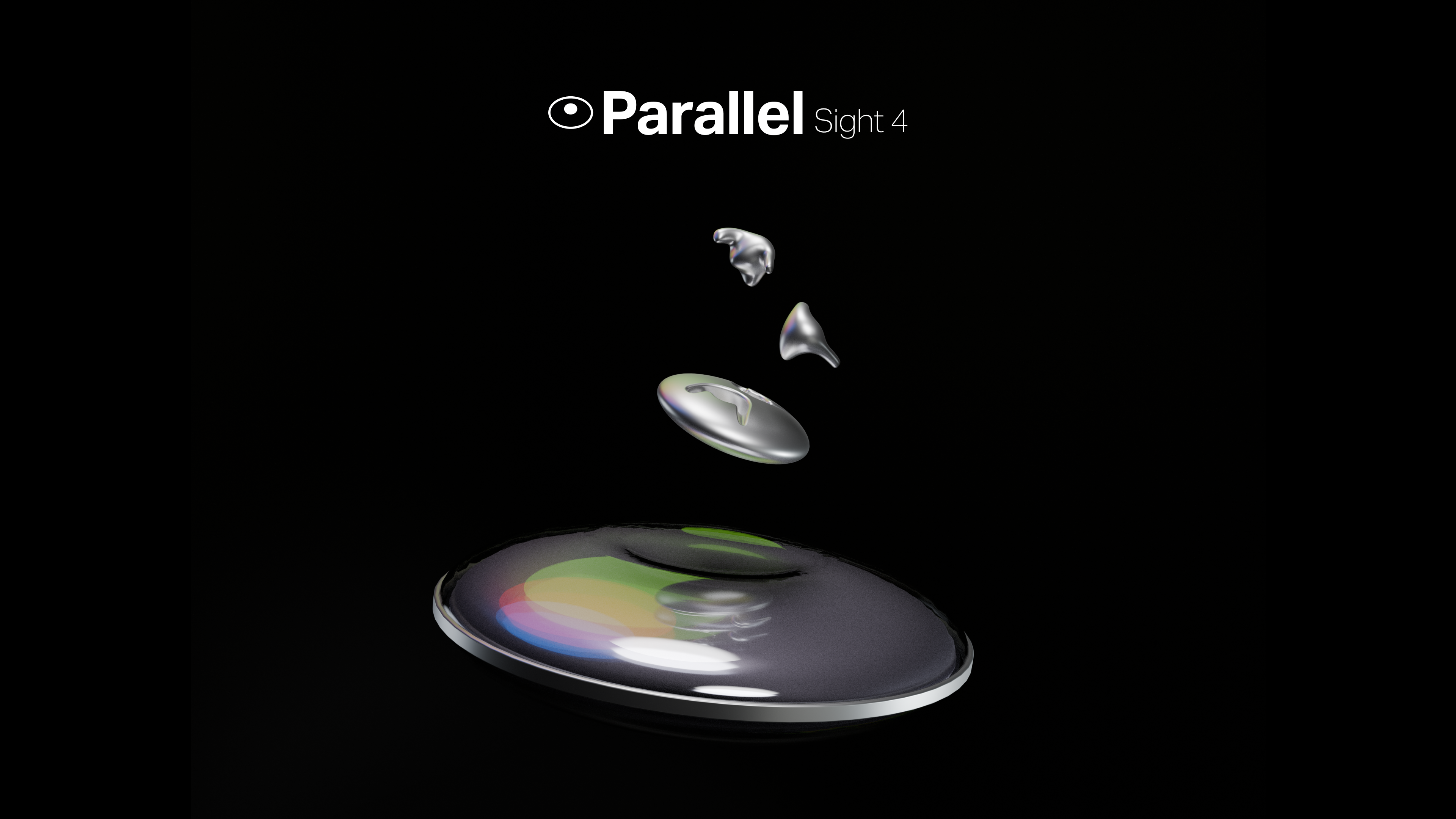
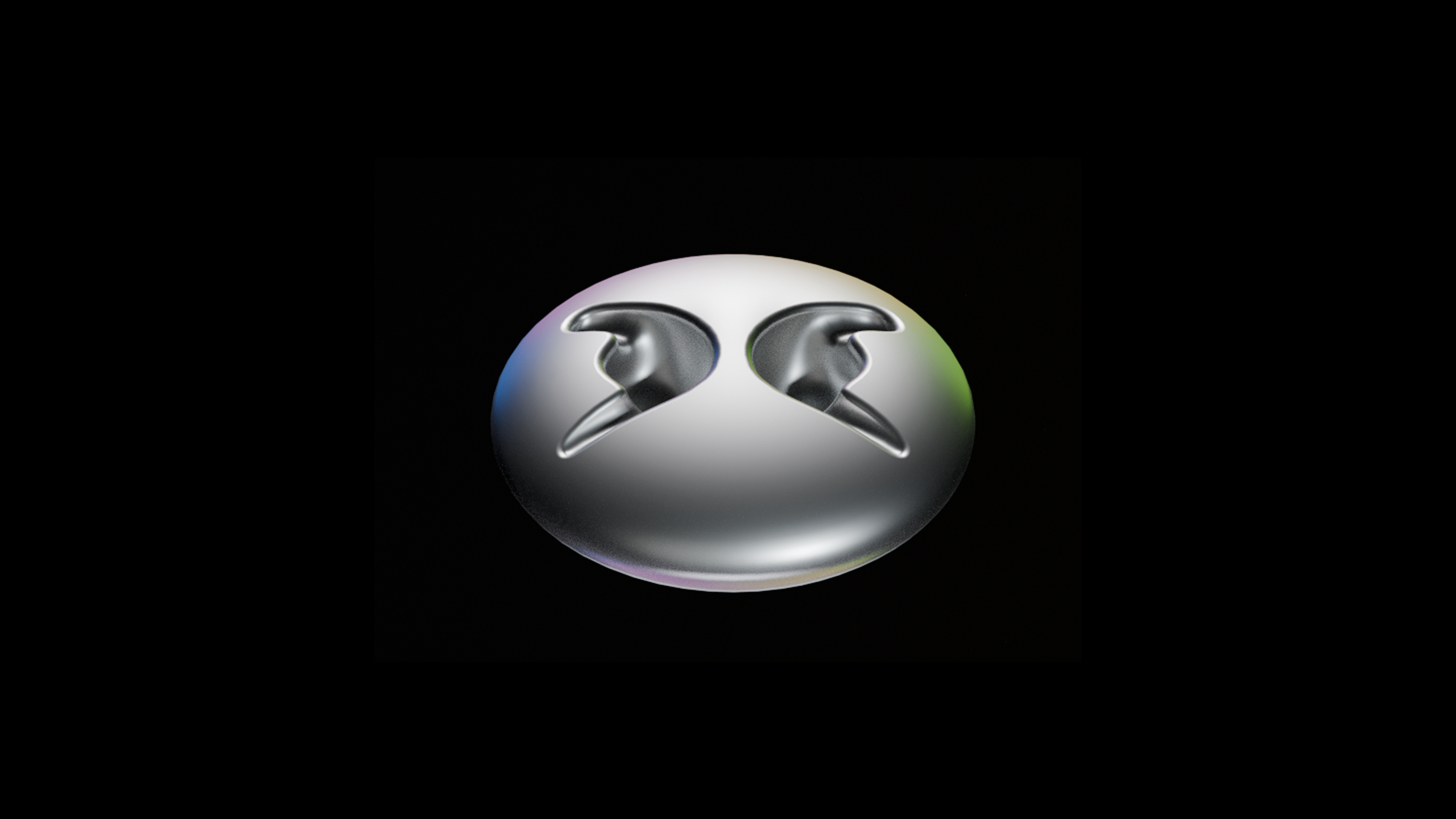
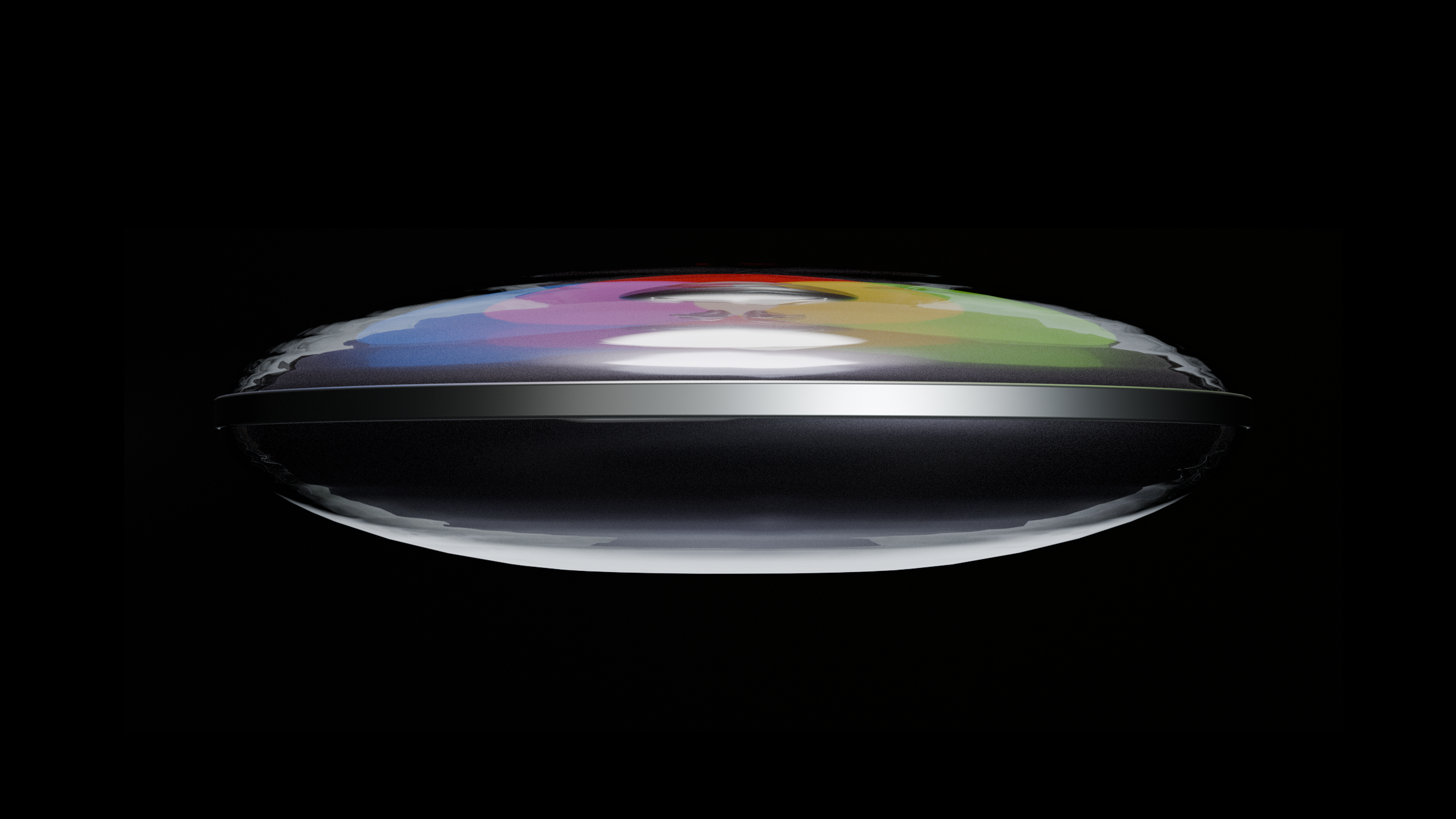
Future Spatial Computer that is named Parallel - a speculative system imagining how human-computer interaction might evolve when integrated directly with perception, memory, and emotion. It consists of three interconnected components, each representing a different layer of cognitive and technological interaction.
Head Mounted Interface (HMI)
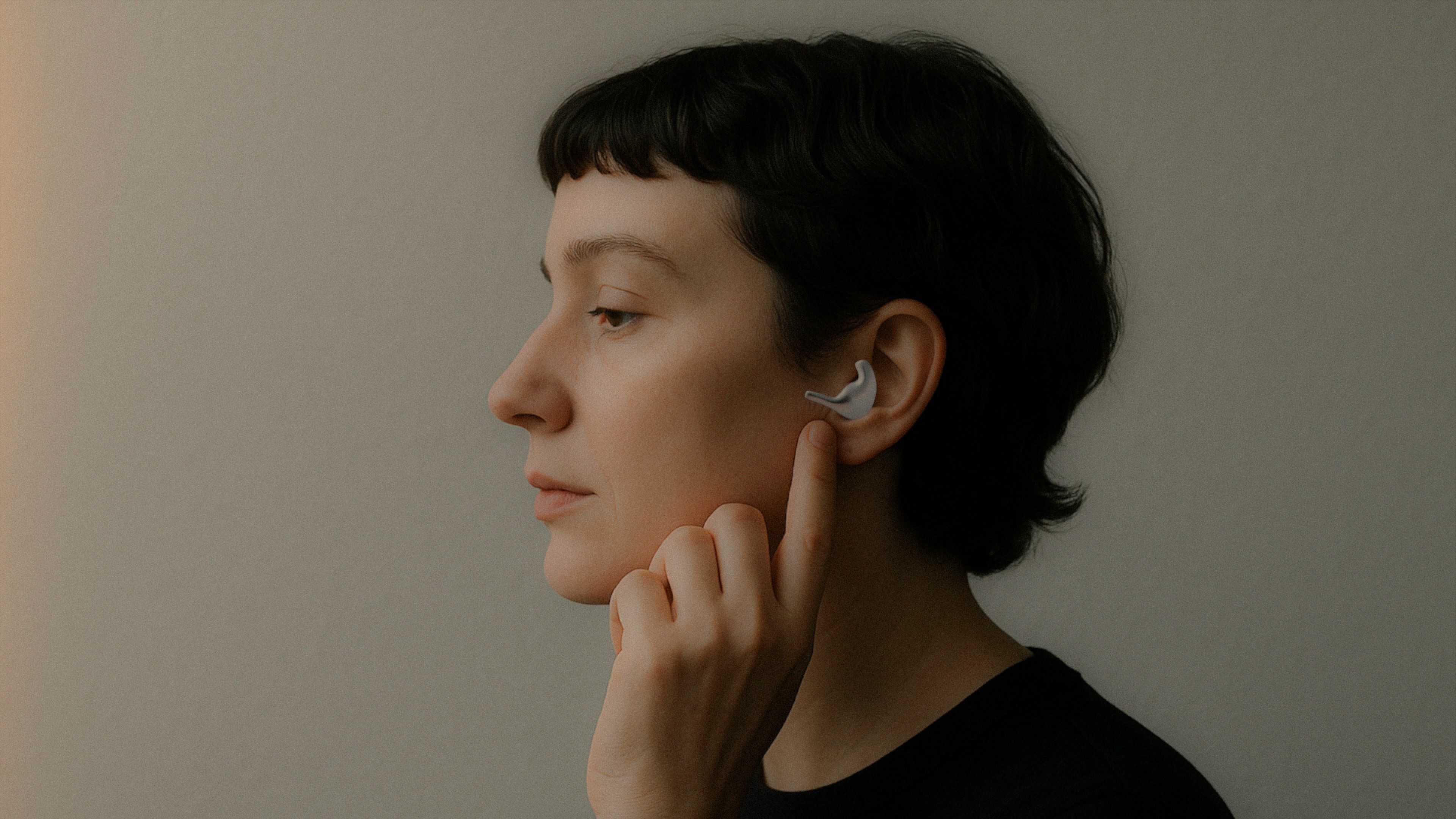
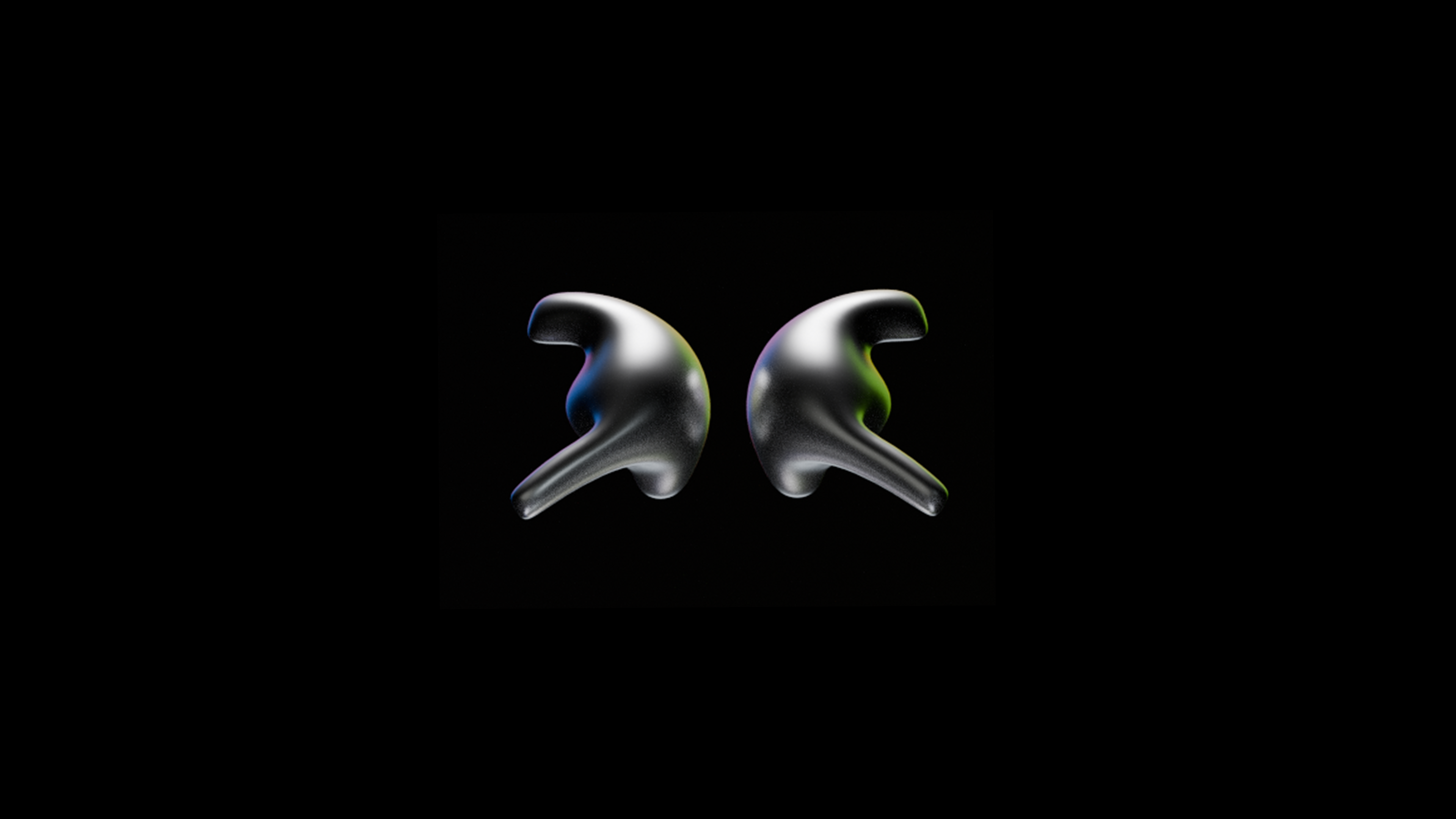
Visual interface component has a function of projecting digital images in real time directly into the user's field of vision. Observes emotions, gaze and adapts content. Allows you to control your thoughts and gaze, with the help of concentration.
Portable Device (PD)
Personal module provides quick access to information, allowing you to control the most important functions on the go. PB monitors movement and environment in real time and ensures smooth data flow. It collects and synchronizes daily activities, even when you are far from the main center.
Core Data Hub
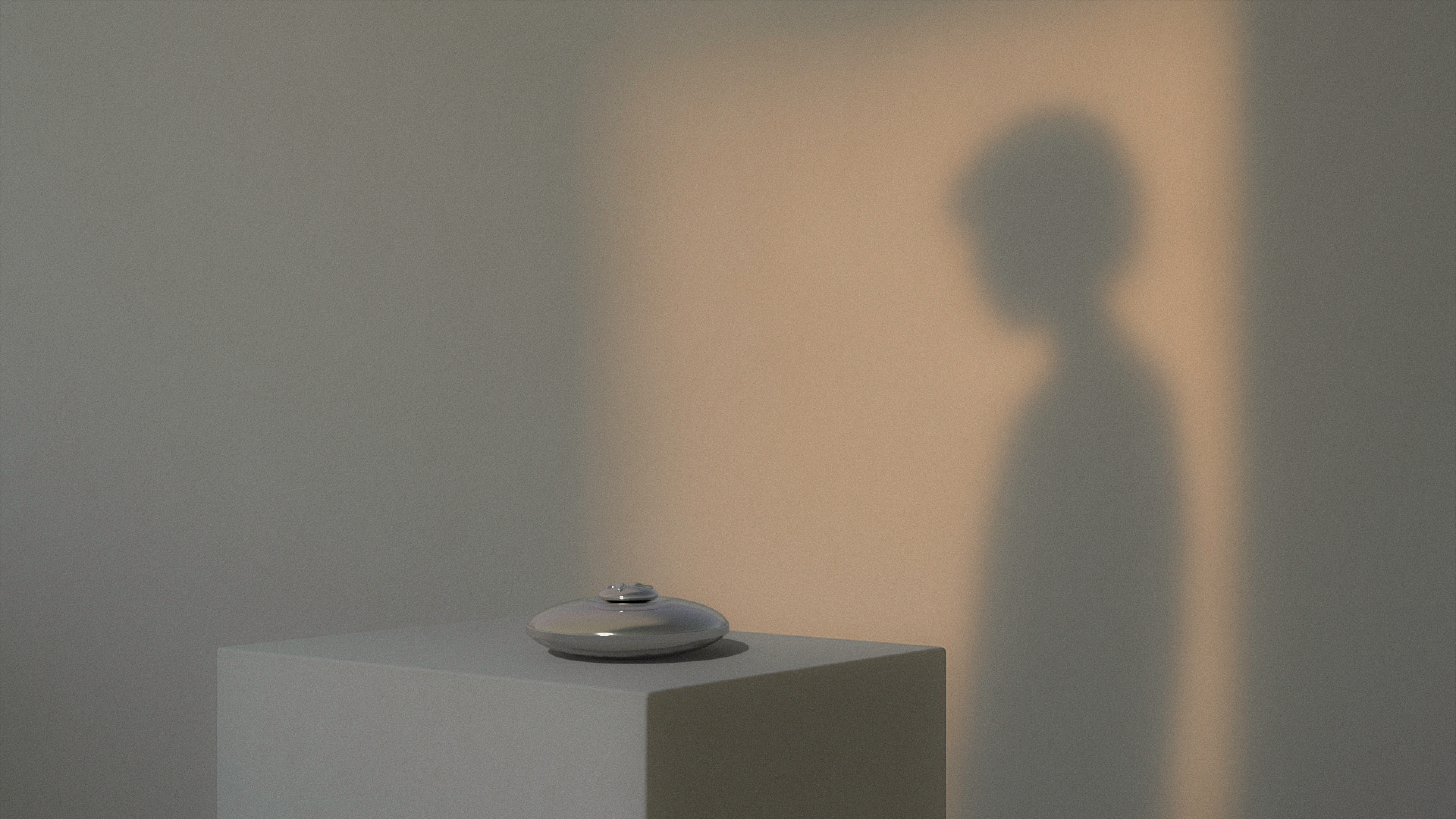
Personal data block works independently of external networks. Processes, filters, and stores all user data and ensures user privacy.
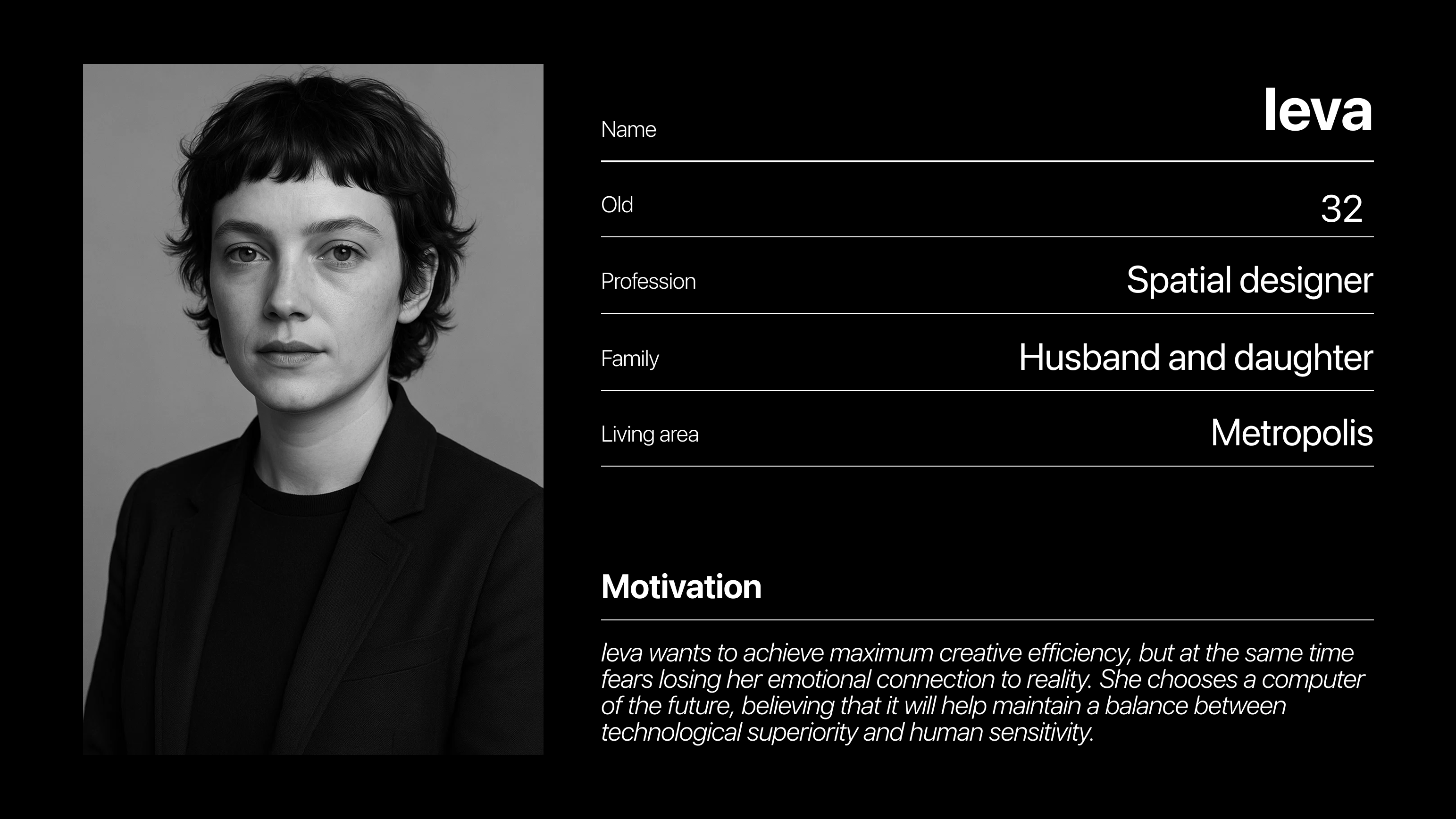
Story Character - Ieva
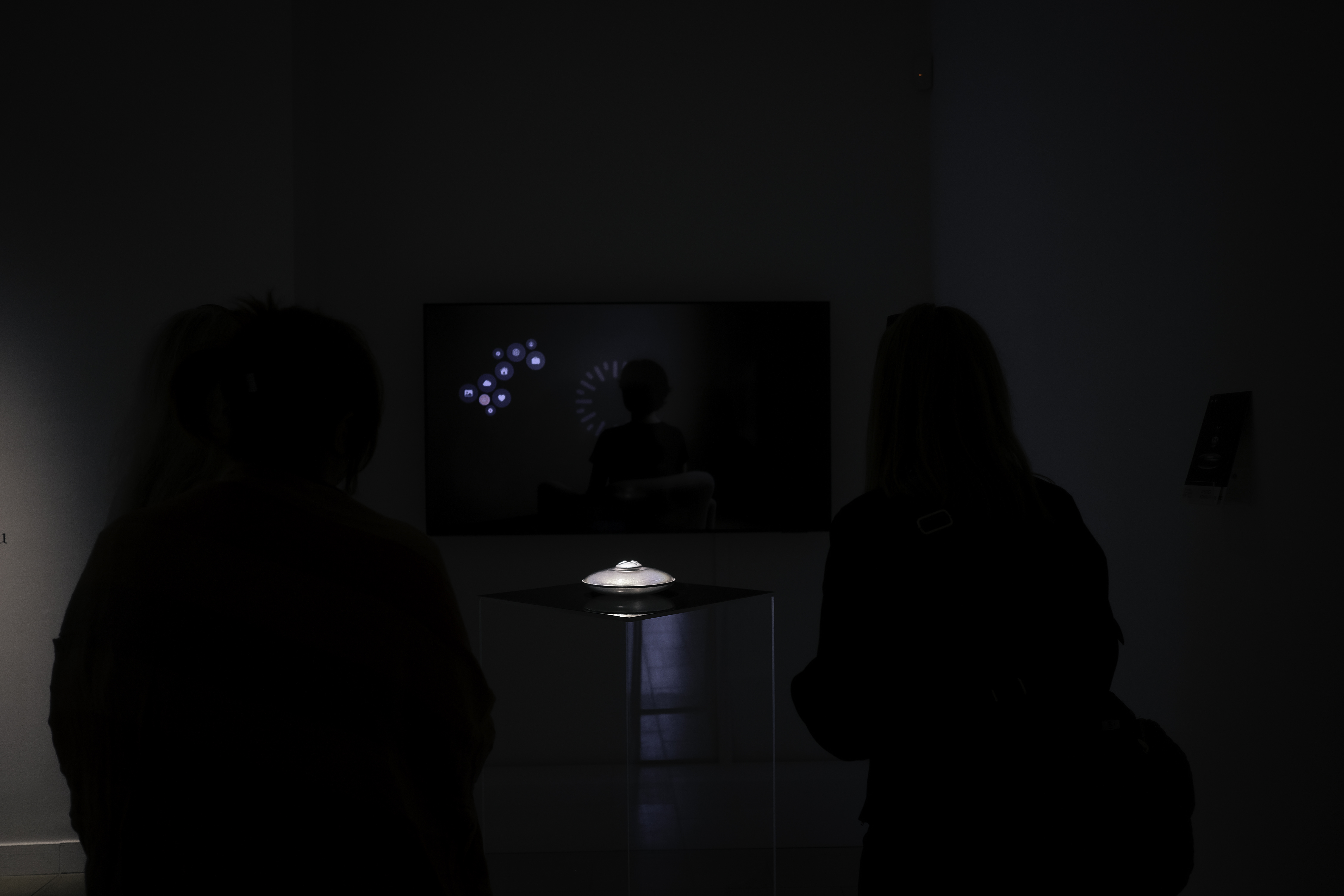
To communicate the speculative scenario, I created a fictional character named Ieva - a designer living in a near-future world where human perception and digital systems are fully connected. Through a short video narrative, Ieva acts as the voice of the story, demonstrating how the Future Spatial Computer functions in everyday life.
Reflection
The project ends with reflection rather than answers. Through Ieva’s story, the Future Spatial Computer becomes a mirror of our relationship with technology, revealing how progress and control evolve together. It invites viewers to question what kind of future we are designing today.
-08.png)